Contac: Sodoweredasitoffice@gmail.com
About
About Sodo district
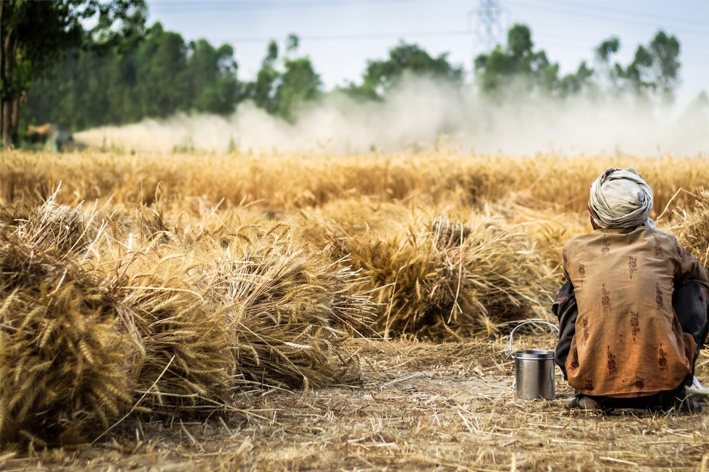
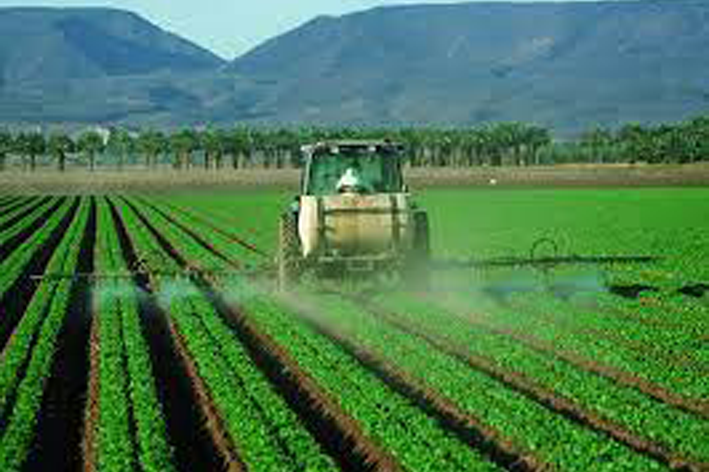
Sodo district is one of the 13 districts in Gurgaon zone. The capital of the district is Bui, 122 km from the capital of the zone, Wolkite, 193 km from the capital of the region, Hawassa, and 103 km from the capital of our country, Addis Ababa. From Taya city, the district has 54 rural and 4 municipally managed kebeles. The population of the district is 180243 and the surface area is about 88553.5 ha/ha. The altitude ranges from 1800 to 3040 meters above sea level. Its climate is 35% upland and 65% mountainous. The livelihood of the farmers of the district is based on farming and animal husbandry, and the diet of the people living in the highlands uses wheat, cabbage, milk, wheat, barley, beans and peas for food.
In the wine-growing area, which is commonly called Kola by the local residents, teff, corn, wheat, vegetables and fruits are used for food to a certain extent. The district is bordered by North Oromia region and Gedbano Gutazer Wolene district, South Marekona and part of Oromia region, East Oromia region and West Meskan district. Sodo Gurage, Oromo, Marek, Meskan, Amhara and different nationalities live in the district, and they speak Kistan (Sodo Guragh), Amharic, Oromo, Meska, Mariki and other languages.
Looking at the educational coverage of the district, there are 73 1st level, 3 middle 2nd level, 2 preparatory level, 2 preparatory schools and a technical and vocational college. In terms of health, 58 health centers, 8 health centers and 1 primary hospital are providing services. When we look at the telephone service, all kebeles are mobile phone users, while 53 rural and 4 urban kebeles are digital phone service users.
Investment
It is true that the development of tourism has a great role in the development and image of the country. Tourism is one of the most important sectors in the development of non-smoking industry, and it is one of the fields that create job opportunities for the citizens of a country, especially for the youth and women. Our country’s favorable environment for eco-tourism is not easy, and if the tourism destinations in our country are properly protected and their infrastructure is complete and if they are widely known to the world, the income from the sector will have a significant impact on the country’s economic development.
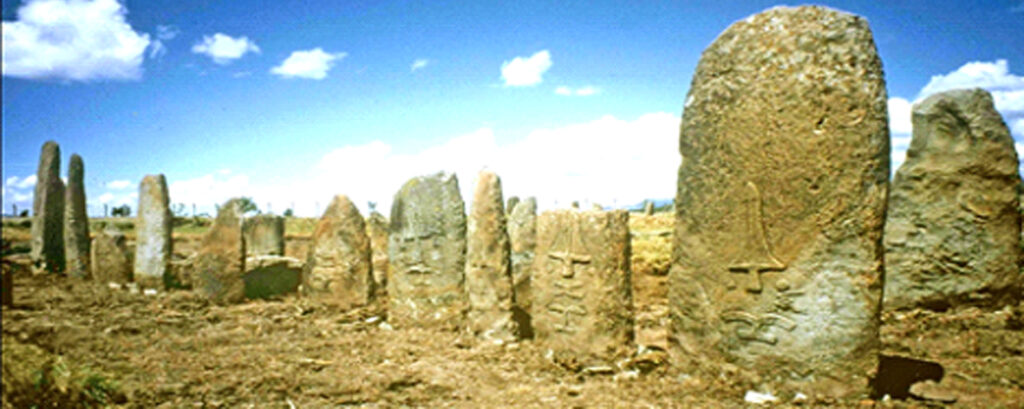
We are looking at the job opportunities and benefits that our country, Ethiopia, has created for the youth and women of the area, which is one of the many heritages of the Tiya plant stone international heritage.